Views: 0 Author: Site Editor Publish Time: 2026-09-19 Origin: Site
You unzip your duffel bag minutes before kickoff. You pull out your helmet. There is a massive, jagged scratch right across your line of sight. Fragile optical plastics sustain catastrophic damage during shipping or travel if mishandled. In this technical guide, you will learn the exact, foolproof engineering steps to securely pack your equipment. We will ensure it arrives in pristine, game-ready condition.
Preparation is Crucial: Always clean the surface with a dedicated microfiber cloth before packing. This prevents trapped dirt from causing micro-scratches under pressure.
Layered Protection System: Utilize a scientifically backed combination. A microfiber base pouch paired with non-abrasive, small-bubble wrap absorbs kinetic energy effectively.
Total Immobilization: The fundamental secret to preventing transit scuffs is eliminating all void space inside the shipping box or travel bag.
Helmet vs. Detached Transport: Removing the shield from the helmet is statistically safer for long-distance postal shipping. It prevents stress fractures at the mounting clips.
Material Quality Matters: Investing in premium equipment adds a vital baseline layer of chemical defense against accidental transit damage.
Recent logistics data in the athletic equipment sector reveals a counterintuitive trend. As injection-molded optical plastics become more advanced, the reported rate of transit-related surface damage has actually spiked over the past three years. Modern surface treatments, such as hydrophobic layers and complex anti-glare films, are highly sensitive to sustained micro-friction. Standard cardboard boxes and generic bubble wrap are no longer sufficient.
Equipment managers at the highest levels of competition are completely overhauling their logistics protocols. They now treat these optical shields with the same care as precision camera lenses. The industry is actively shifting away from generic packing methods toward specialized, material-specific protocols to protect these substantial investments.
Understanding the physical properties of polycarbonate sports equipment is the first step in proper maintenance. While this gear is engineered to withstand high-velocity impacts on the field, its surface remains highly vulnerable to sustained, low-level friction during transit.
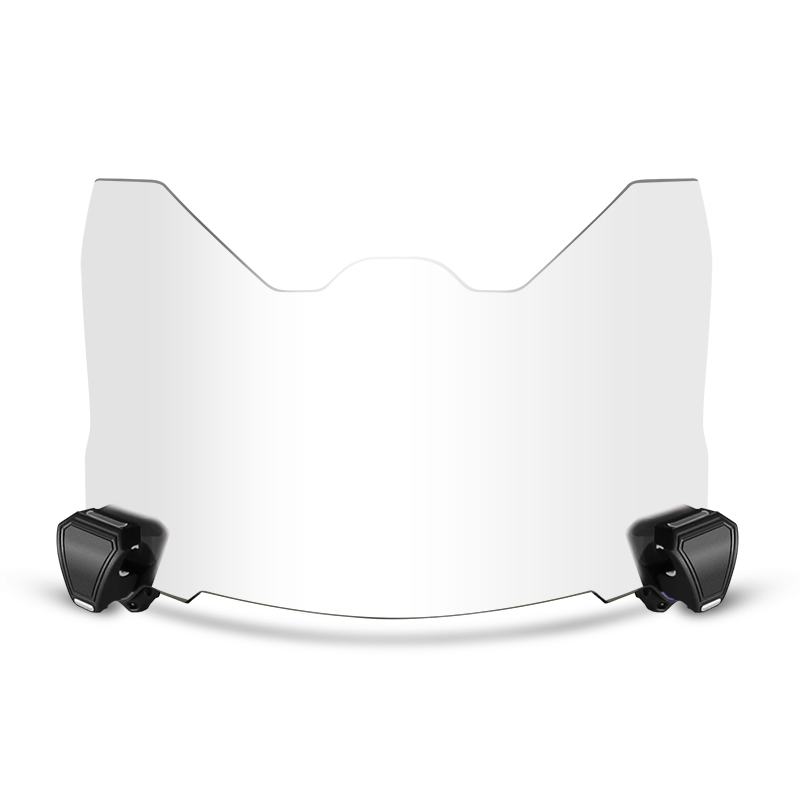
The primary function of any high-quality Protective Visor is to shield the athlete's face while maintaining uncompromised optical clarity. Polycarbonate boasts exceptional impact resistance. However, its surface is relatively soft. Consequently, when a shield shifts inside a cardboard box or a bouncing duffel bag, abrasive materials act like sandpaper. They create microscopic abrasions.
Even a microscopic scuff located in the central viewing zone severely compromises player safety. Scratches alter the refraction of light passing through the plastic. Under intense stadium lighting or direct sunlight, these abrasions scatter light. This creates a blinding glare. Such optical distortion directly impairs a player’s depth perception and reaction time. Furthermore, deep scuffs compromise the structural integrity of the optics, creating weak points susceptible to cracking upon impact.
Athletic budgets are finite. The constant replacement of damaged equipment due to poor packing habits is a preventable expense. Modern shields receive specialized chemical coatings at the factory to resist fogging and minor abrasions. Sustained friction against rough surfaces slowly wears away these factory coatings. By implementing a standardized, protective packing protocol, athletes extend the usable lifespan of their gear by multiple seasons. This ensures maximum return on investment and consistent on-field performance.
Executing a flawless packing strategy requires the right materials. Substituting proper shipping supplies with household items is the leading cause of transit damage. Before starting the process, ensure you have specific engineering-grade materials on hand.
The base layer of your packing system must be exceptionally soft and completely free of abrasive fibers. Microfiber is the only material that should make direct contact with bare optical plastic. Composed of microscopic polyester and polyamide fibers, it traps and lifts particulate matter rather than dragging it across the surface. Opt for high-GSM, meaning grams per square meter, microfiber. This offers a denser, plusher barrier against friction.
For the secondary shock-absorption layer, standard large-bubble wrap is entirely insufficient. It leaves large gaps where the plastic remains exposed to pressure. Instead, utilize three-sixteenths-inch small-bubble wrap. This specific size contours perfectly to complex curvatures, creating a dense, uniform cushion. Alternatively, one-sixteenth-inch polyethylene foam sheets provide excellent surface protection without adding excessive bulk.
Material Type | Friction Risk | Shock Absorption | Engineering Verdict |
|---|---|---|---|
High-GSM Microfiber | Extremely Low | Minimal | Mandatory base layer for direct contact. |
Paper Towels / Tissues | Very High | Poor | Never use. Wood pulp fibers cause micro-scratches. |
Standard Large Bubble Wrap | Low | Inconsistent | Avoid. Leaves pressure gaps on curved plastics. |
3/16-inch Small Bubble Wrap | Low | Excellent | Optimal secondary layer for kinetic energy dispersion. |
Whether you are an equipment retailer shipping products to customers or a player sending Football Eyewear out for custom tinting, this systematic approach mathematically minimizes the risk of transit abrasions.
Picture the locker room environment. You unpack your gear, only to find crushed cardboard dust permanently embedded in the plastic. Never pack dirty equipment. Dust, dried sweat, and turf particles act like grinding compounds during transit. Begin by rinsing the surface under lukewarm water to remove loose debris. Next, apply a pH-neutral optical lens cleaner. Using a clean microfiber cloth, gently wipe the surface in straight lines. Ensure the plastic is completely dry before proceeding. Trapped moisture degrades anti-fog coatings rapidly.
Once pristine, immediately place the unit inside a dedicated microfiber drawstring pouch. If a pouch is unavailable, wrap it completely in a large, clean microfiber towel. Ensure no part of the polycarbonate edge remains exposed. This base layer serves as the primary friction barrier. Even if the outer packaging is compressed, the fabric glides smoothly without causing micro-abrasions.
Place the microfiber-wrapped bundle flat on a sheet of three-sixteenths-inch bubble wrap. Fold the wrap over, ensuring at least two full layers of coverage on both the convex and concave sides. Tape placement is vital here. Use high-quality packing tape to secure the bubble wrap to itself. Never allow the adhesive to touch the microfiber pouch or the bare plastic directly. Create a tight cocoon that conforms to the shape, but avoid extreme tension that forces the material to warp.
Select an appropriately rated corrugated box. It should have an ECT-32 Edge Crush Test rating and provide at least two inches of clearance on all sides. Place a one-inch layer of tightly crumpled kraft paper at the bottom. Rest the cocooned bundle in the center, then pack the remaining void space tightly. Once taped shut, perform a gentle shake test. If you feel any movement inside, open the box and add more fill. A stationary package is a safe package.
Shipping a box through the postal service requires rigid immobilization. In contrast, packing gear into a duffel bag for a bumpy team bus ride demands a slightly different approach. Equipment managers and players must adapt their protective strategies for dynamic mobile environments.
A frequent debate among athletes is whether to detach the shield or leave it installed on the facemask during travel. Leaving it attached is convenient. However, it exposes the plastic to localized pressure. If a heavy duffel bag is dropped, impact forces transfer through the helmet shell directly into the clips. This kinetic energy transfer causes stress fractures at the mounting points. If you must leave it attached, it is imperative to use a specialized, plush-lined helmet bag. Always place a microfiber cloth between the inner plastic and the helmet padding.
For maximum safety during away games, detaching the unit is the superior choice. Once removed, place it in a rigid, hard-shell EVA case specifically molded for Football Gear. These cases isolate the fragile optics from the chaotic environment of a sports bag. They protect the plastic from sharp cleats and heavy shoulder pads. Always store mounting clips and screws in a separate zippered compartment. Loose metal rattling against the surface will cause severe gouging.
Even with the best intentions, players frequently make packing errors that compromise their equipment. Understanding the material science behind these plastics helps you avoid costly mistakes.
A widespread misconception is that paper towels are soft enough for cleaning and wrapping. From a material science perspective, paper products are manufactured from wood pulp. They contain microscopic cellulose fibers that are inherently abrasive. Wrapping your gear in paper towels guarantees that the natural vibrations of a moving truck will rub those fibers repeatedly against the surface. This creates a cloudy, hazy patch right in the player's line of sight.
Shock absorption is necessary. Yet, applying excessive pressure when wrapping leads to structural damage. Polycarbonate is resilient but molded with a specific curvature designed to fit seamlessly against a facemask. Stretching bubble wrap too tightly applies continuous mechanical stress. Over several days in transit, this sustained pressure permanently warps the curvature. It makes the shield nearly impossible to align with the helmet clips upon arrival.
Securing protective layers requires tape. Allowing adhesive to come into direct contact with the shield is a critical engineering error. Standard packing tapes utilize aggressive rubber or acrylic-based adhesives. If these chemicals touch the surface, they react with the polycarbonate, leaving a sticky, stubborn residue. Attempting to scrub this residue off usually requires harsh solvents that instantly ruin the optics.
Despite rigorous packing protocols, high-impact sports inevitably take their toll. Recognizing the precise moment when a piece of eyewear transitions from used to unsafe is vital for player performance.
Determining whether a replacement is needed requires careful visual inspection. Not all marks are permanent scratches. Some are simply stubborn smudges or turf paint transferred during a collision. Clean the surface thoroughly and hold it up to a bright, single-point light source. If the light catches on a physical groove in the plastic, you have a structural scratch. If you can feel the scratch with your fingernail, the structural integrity is compromised. It must be retired immediately.
When replacement becomes necessary, upgrading your equipment provides enhanced durability and improved visual performance. Modern injection-molded polycarbonate options offer superior optical clarity and zero distortion. For players requiring maximum light transmission during night games, a standard clear model is the optimal choice.
If you frequently play in bright, high-glare environments, aesthetic and functional upgrades are highly recommended. Investing in a premium Anti-scratch Visor provides a robust factory-applied chemical defense against both transit damage and field impacts. Many of these models feature UV400 protection to actively reduce harsh ultraviolet rays, keeping the eyes relaxed during afternoon games. For athletes demanding the highest level of clarity and durability, selecting a professional-grade Football Visor ensures your vision remains sharp, distortion-free, and fully protected quarter after quarter.
The journey of your equipment does not end when the delivery truck arrives. The anticipation of receiving new gear often leads to rushed unboxing. This poses a significant risk to the integrity of the plastic.
When your package arrives, exercise extreme caution. The most common post-transit injury occurs via the aggressive use of a box cutter. Plunging a blade deeply into the tape seam easily slices through the outer cardboard, penetrates the bubble wrap, and carves a deep gouge across the front of the plastic. To unpack safely, use a blunt object, such as a house key, to gently break the adhesive seal. Once the wrapped bundle is removed, carefully peel the tape back by hand rather than using scissors.
Once unboxed and installed, maintaining clarity requires strict discipline on the sidelines. Never wipe a dry surface with your jersey or a standard sideline cotton towel. This grinds field dirt directly into the polycarbonate. Instead, flush the surface with clean water from a squeeze bottle to remove abrasive turf pellets first. Keep a dedicated microfiber cloth in a sealed plastic bag within your locker, ensuring it remains uncontaminated by the surrounding environment.
Proper packing protects your valuable equipment during travel and shipping. Utilizing a microfiber base layer prevents unwanted surface damage. Eliminating movement inside the rigid box serves as your primary defense against kinetic impact. Taking a few extra minutes to pack your gear correctly saves you money and ensures peak visual performance on the field. When the time comes to replace damaged equipment, do not hesitate to upgrade your game-day look. Explore the comprehensive range of premium, factory-coated replacements at GY Optical to keep your vision sharp and your eyes fully protected.
No. Harsh chemicals like rubbing alcohol, ammonia, or standard household glass cleaners permanently strip away the factory-applied anti-fog and anti-scratch coatings. Furthermore, these chemicals cause polycarbonate to become brittle over time. Always stick to clean water, mild optical soap, and a high-quality microfiber cloth for pre-transit cleaning.
While premium models are highly resistant to standard, high-impact game-day collisions, the coating is not invincible. Sustained, continuous friction against abrasive materials like corrugated cardboard or wood-pulp paper during shipping easily wears down the coating and causes scuffs. Proper, layered packing is always required regardless of the coating quality.
Shipping logistics often involve extreme environmental changes. A package might sit in a freezing cargo plane and then transfer to a sweltering delivery truck. Polycarbonate expands and contracts with temperature fluctuations. If packed too tightly without proper insulation, sudden extreme heat causes the plastic to expand against its constraints, leading to stress fractures. Utilizing high-quality bubble wrap traps air, acting as a thermal insulator to slow down these temperature changes.
No. Regular cotton bath towels contain thick, abrasive loops designed to scrub moisture from human skin. Under the heavy pressure of a packed suitcase in an airplane cargo hold, the coarse cotton fibers will grind against the optical surface. Always use a high-GSM microfiber cloth or pouch as the primary contact layer.
Yes. If a shipping box is crushed or dropped, the kinetic energy transfers directly through the helmet and into the rigid mounting points. This localized pressure easily cracks the plastic around the clips or warps the curvature. Detaching it and packing it independently in its own cushioned cocoon is the safest engineering method for postal shipping.
Absolutely. The fundamental engineering principles of optical plastic protection apply universally. Utilizing a microfiber base layer, ensuring shock absorption with small-bubble wrap, and immobilizing the item within a rigid container applies perfectly to lacrosse goggles, hockey shields, and other protective sports eyewear.