Views: 0 Author: Site Editor Publish Time: 2026-08-05 Origin: Site
Picture this: you are midway through the second period, breathing heavily, and your field of vision suddenly clouds over. Acknowledging the mid-game frustration of a fogged or streaky shield is easy. You might feel a strong temptation to quickly wipe it using the sleeve of your sweaty jersey. However, factory anti-fog coatings are highly sensitive chemical layers designed for strict tolerances. Using the wrong chemical to clean them will permanently strip this protective barrier. Even rubbing them dry using the wrong towel can destroy the surface. This mistake quickly turns an expensive investment into a persistent hazard on the ice.
Fortunately, preserving your equipment does not require a chemistry degree. We will provide an evidence-based, locker-room-tested protocol for cleaning your shield correctly. You will learn exactly which chemicals to use and which you must aggressively avoid. We will show you how to maintain optimal optical clarity without compromising the delicate factory seal.
Ammonia-based glass cleaners (like Windex) and harsh dish soaps will immediately degrade polycarbonate anti-fog coatings.
A two-step process (rinse grit first, then apply specialized cleaner) prevents micro-scratches from dried sweat and salt.
Dedicated hockey visor sprays or highly diluted tear-free baby shampoo are the only consistently safe solvent options.
"Buffing out" deep scratches is a myth that inevitably destroys the surrounding anti-fog treatment; knowing when to replace is as important as knowing how to clean.
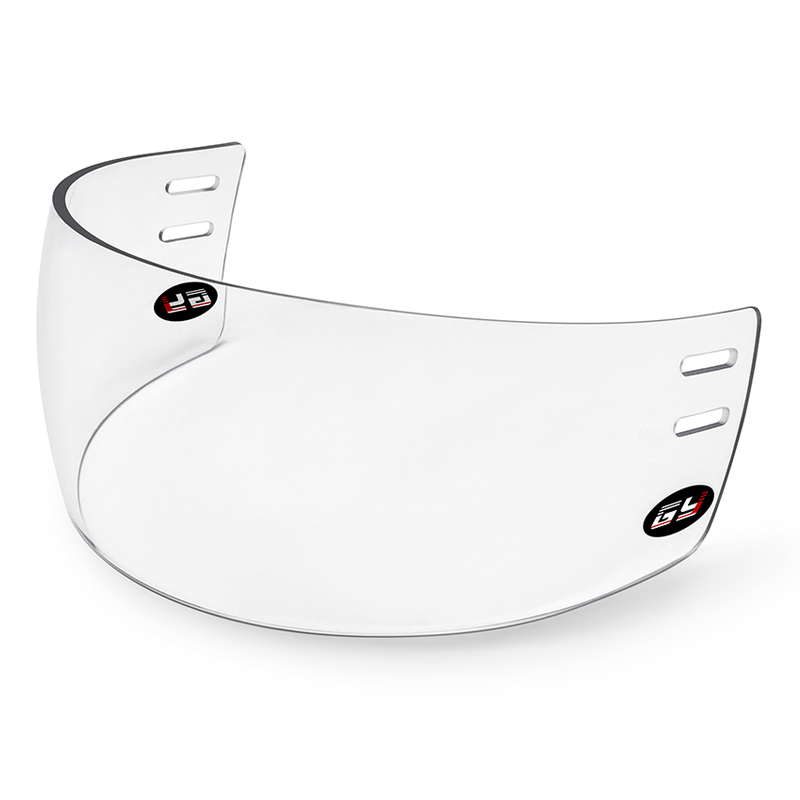
Understanding how manufacturers build an Ice Hockey Visor helps explain why they fail. Manufacturers apply specific hydrophilic or hydrophobic chemical layers directly to the raw polycarbonate. Hydrophilic coatings absorb moisture and spread it flat across the surface. Hydrophobic coatings repel water droplets entirely. Both methods prevent microscopic condensation from forming visible fog. These factory seals cure under intense UV light, creating a strong but chemically vulnerable bond.
Common household cleaners fail the evaluation test instantly. Solvents containing alcohol, ammonia, or abrasive surfactants attack the molecular bonds of the coating. Ammonia actively strips the hydrophilic layer away. Alcohol dries out the microscopic pores in the plastic. Over time, these chemicals cause the shield to become brittle, cloudy, or permanently fogged.
Dried sweat acts as another primary enemy. Frame dried sweat not just as a simple smudge, but as a collection of abrasive salt crystals. Wiping a dry, sweaty shield causes hundreds of micro-abrasions. These tiny cuts ruin the anti-fog layer just as quickly as harsh chemicals do. The salt literally grinds the protective coating away from the underlying plastic.
Chemical Agents and Polycarbonate Reactions
Cleaning Agent | Chemical Property | Effect on Anti-Fog Coating |
|---|---|---|
Ammonia Glass Cleaner | Highly Alkaline | Strips coating, causes immediate hazing. |
Standard Dish Soap | Harsh Surfactants | Breaks down chemical bonds over time. |
Rubbing Alcohol | Strong Solvent | Dries out plastic, induces micro-cracking. |
Diluted Baby Shampoo | pH Neutral | Safely lifts oils without degrading the seal. |
Choosing the right commercial spray dictates the lifespan of your protective gear. You need sprays specifically formulated for polycarbonate plastics. Successful products share distinct criteria. They remain non-toxic, utilize streak-free formulas, and contain absolutely zero alcohol. You should always read the ingredient list before dropping a new bottle into your gear bag. The best dedicated sprays safely lift grease and sweat while leaving the factory seal completely untouched.
Many referees and players rely on a classic locker room remedy: baby shampoo. This hack works surprisingly well under the right conditions. Mild, tear-free baby shampoo features a neutral pH balance. It lacks the harsh detergents found in standard household soaps. When you dilute a few drops in a small spray bottle of water, it creates a safe cleaning solution. However, it does have limitations. Baby shampoo will not actively replenish lost anti-fog properties like some specialized commercial sprays can.
Your choice of towel represents the most critical variable in this entire process. We frame the microfiber cloth as a mandatory requirement, not a suggestion.
The Requirement: You must use a clean, high-pile microfiber cloth. High-pile fibers pull dirt particles away from the surface, trapping them deep inside the fabric.
The Risk: Reusing a towel transfers danger. If a cloth has touched skin, tape residue, or skate blades, it holds invisible grit. Using it transfers those abrasive oils and metal shavings directly onto the plastic, causing severe scratching.
Following a strict protocol prevents accidental damage. Rushing the process guarantees premature wear. Follow these distinct steps to maintain absolute clarity on the ice.
The Pre-Rinse (Crucial Step): You must use warm running water to dissolve salt crystals first. Wash away loose dirt before any cloth ever touches the plastic. Skipping this step turns dried sweat into sandpaper.
Applying the Cleaner: Spray your chosen solution conservatively. Do not over-saturate the plastic. Let the spray sit and lift the remaining grease for 15 to 30 seconds. This soak time allows the mild surfactants to suspend oils in the liquid.
The Wiping Technique: You should always wipe in a single, continuous direction. Drag the cloth horizontally from left to right. Avoid using tight circular motions. Circular rubbing creates concentrated swirl marks, which severely distort your vision under bright arena lights.
Air Drying vs. Buffing: Finish the process safely. We recommend gently patting the surface dry. Alternatively, use a secondary dry microfiber cloth to lightly absorb the moisture. Never aggressively buff the surface to avoid leaving water spots.
Online forums often push terrible advice regarding polishing compounds. Many players believe they can simply polish away deep gouges. We must address this "buffing" myth directly. Aggressively buffing a scratch will completely remove the anti-fog coating in that specific area. Polishing compounds use micro-abrasives to level out plastic. While they might visually reduce a scratch, they strip the chemical seal away. You will inevitably create a permanent fog patch right in your line of sight.
Triage becomes a necessary skill. You must evaluate if your visual obstruction stems from stubborn sweat residue, a failing coating, or structural scratches. Sweat residue looks milky but vanishes after a proper warm water rinse. A failing coating appears as an oily, iridescent film permanently bonded to the surface. Structural scratches cast distinct shadows when you hold them up to the arena lights.
You need to establish a clear replacement logic. Cleaning cannot fix structural damage. When deep scratches spiderweb across your direct line of sight, cleaning becomes completely ineffective. At this threshold, a replacement Ice Hockey Visor is required. Player safety and optimal visibility must always overrule the desire to save a few dollars.
Different equipment styles demand adjusted maintenance routines. Full-face hybrids or bubbles trap significantly more moisture than standard half shields. The closed environment creates severe ventilation constraints. Your body heat and breath have no immediate escape route. Therefore, full-face models require more frequent and rigorous anti-fog maintenance. A half shield might survive two games between deep cleans. A full-face model often requires attention between periods.
Chin cup contamination presents another unique challenge for full-face users. The chin cup sits in extreme proximity to the inner plastic surface. Sweat, saliva, and bacteria drip directly onto the lower rim. This cross-contamination necessitates a broader cleaning approach. You cannot simply wipe the viewing area. You must sanitize the chin cup and the structural frame simultaneously to prevent bacterial transfer back onto the clean viewing surface.
Maintenance Variables Chart
Equipment Type | Ventilation Level | Fogging Risk | Recommended Cleaning Frequency |
|---|---|---|---|
Standard Half Shield | High | Moderate | Post-game rinse, weekly deep clean. |
Full-Face Hybrid | Low | Severe | Pre-game prep, inter-period wipe. |
Eventually, every factory coating degrades. You must set realistic expectations regarding aftermarket solutions. No aftermarket spray will permanently replicate the original factory coating. They all require routine reapplication. Aftermarket products lay down a temporary surfactant layer. This layer prevents condensation from beading up, but sweat and friction wash it away over time.
Product selection criteria matter heavily when shortlisting aftermarket options. You should evaluate gels versus sprays. Gels typically provide a thicker, longer-lasting barrier. However, they require careful application to avoid visual distortion. Sprays offer faster application but wear off much quicker. Always check the drying time. You want a product offering minimal residue risk, leaving a purely transparent finish once dry.
Game-day integration keeps you prepared. You can execute a quick 60-second routine right in the locker room. First, ensure the surface is completely dry. Apply two quick pumps of your chosen aftermarket spray. Spread it evenly using a dedicated, clean microfiber cloth. Let it flash dry for thirty seconds. Finally, give it one exceptionally light wipe to remove any hazing before stepping out for warm-ups.
Preserving your equipment primarily revolves around preventative care. Avoiding harsh chemicals extends the lifespan of the factory seal significantly. Proper maintenance ensures you never lose tracking on a fast-moving puck due to equipment failure. Your vision on the ice dictates your reaction time and overall safety.
Audit your current gear bag immediately. Throw out those dirty cotton towels, abrasive rags, and household glass cleaners. Invest in a dedicated, polycarbonate-safe spray and a multipack of high-pile microfiber cloths. Commit to the two-step rinse and clean protocol. These simple actions guarantee optimal clarity and protect your investment shift after shift.
A: No. Standard glass cleaners contain ammonia and strong solvents. Ammonia immediately attacks polycarbonate, causing the plastic to become permanently cloudy. It also chemically strips away the hydrophilic anti-fog factory coating upon contact.
A: Spit works temporarily in an emergency because saliva enzymes act as a mild surfactant. However, it introduces bacteria to your equipment and does not actually clean the surface. It often leaves a streaky, blurry film once it dries.
A: You should thoroughly rinse off sweat and salt crystals with warm water after every single use. Perform a deep clean using specialized spray and a clean microfiber cloth weekly or bi-weekly, depending on your total ice time.
A: A persistent cloudy appearance usually means the anti-fog coating has permanently oxidized or degraded. This happens from chemical damage or excessive micro-scratching. Cleaning removes dirt, but it cannot restore a structurally ruined factory coating.