Views: 0 Author: Site Editor Publish Time: 2026-05-07 Origin: Site
Blind spots on the ice result in missed passes. They compromise your situational awareness. They also lead to dangerous open-ice collisions. You simply cannot play fast if you cannot see clearly. Fogging is never a random nuisance. It is a highly predictable physical reaction. Cold arena air clashes directly against your elevated body heat. Micro-abrasions on your gear then trap the resulting moisture. It builds up rapidly during intense gameplay.
This article provides an evidence-based, tactical framework to eliminate fogging completely. We explore zero-cost physical adjustments to control your airflow. You will learn the exact chemical application rules professionals use to maintain clear sightlines. Finally, we evaluate hardware upgrades to ensure peak optical clarity during your most high-stakes shifts. Following these steps will keep your vision sharp from puck drop to the final horn.
Root Cause: Condensation is accelerated by sweat evaporation and trapped thermal exhaust; managing airflow is just as critical as chemical treatments.
Application is Everything: When using anti-fog agents, the most common point of failure is "over-buffing," which removes the protective micro-film.
Risk Warning: Using household glass cleaners or abrasive towels will permanently strip factory coatings and create micro-scratches that trap moisture.
Highest ROI Solution: Upgrading to a purpose-built Anti-fog Anti-scratch Hockey Visor eliminates the recurring cost and hassle of aftermarket sprays while preserving structural integrity.
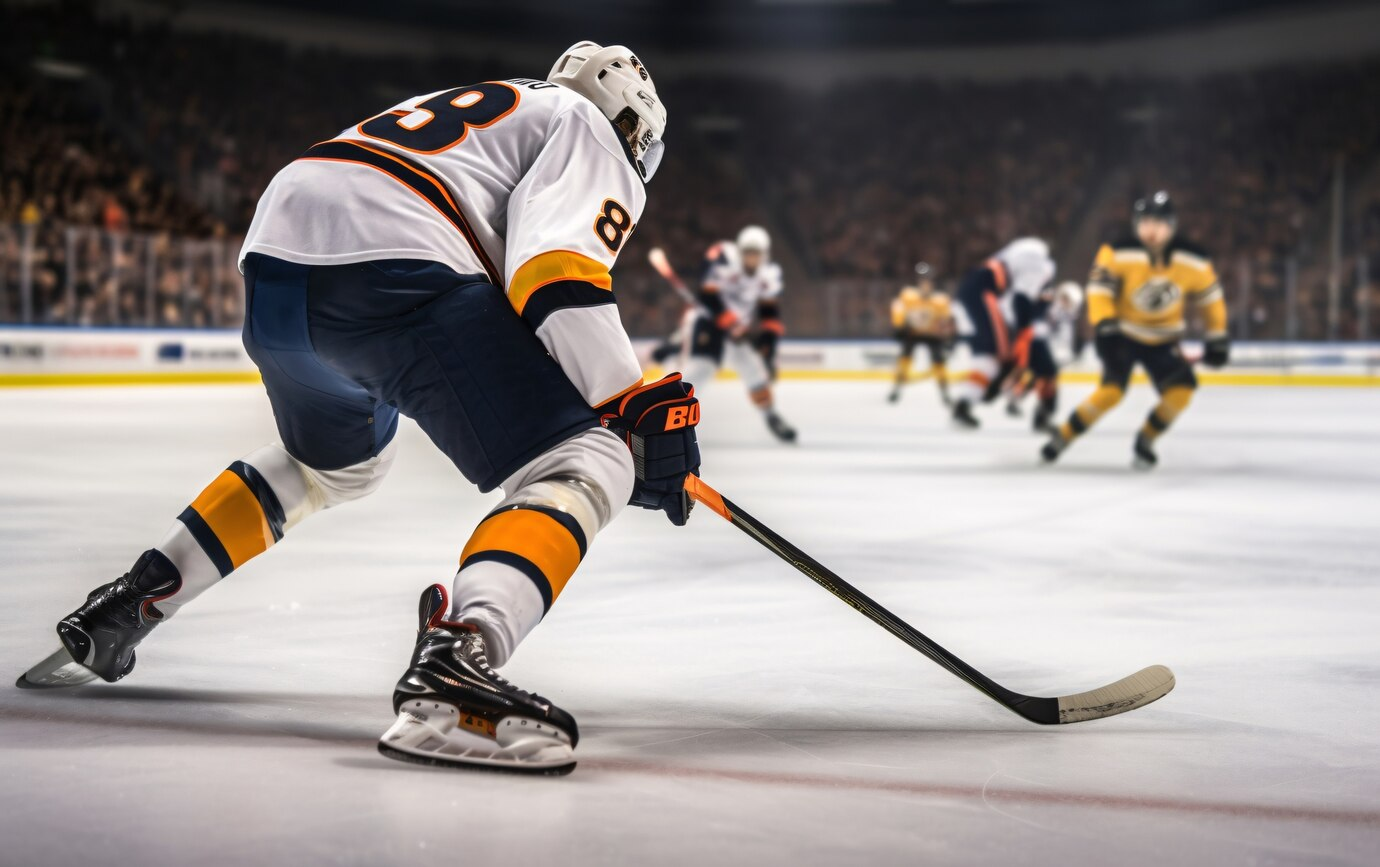
Warm, moist breath and evaporating sweat hit the cold polycarbonate shield. This collision creates instant condensation. If you ignore the moisture source, chemical treatments will eventually fail. You must address the physics of evaporation first. Controlling your localized climate reduces the moisture load on your equipment.
Players often overlook how much water vapor they generate. High-intensity shifts raise your core temperature quickly. Sweat evaporates from your forehead directly into the enclosed helmet space. We recommend implementing specific tactics to stop this moisture transfer.
Sweat Absorption: Wear a skull cap or a moisture-wicking bandana. A high-quality helmet sweatband works perfectly too. These accessories trap forehead moisture before it ever evaporates into the visor cavity. Less ambient moisture means less condensation on the plastic.
The Vaseline Hack: Apply a thin layer of petroleum jelly just above your eyebrows. This physical barrier channels sweat down the sides of your face. It keeps salty droplets away from your eyes and away from the critical viewing area.
Bench Habits: The lack of aerodynamic airflow on the bench causes instant fogging. Your body radiates immense heat while you sit still. Consistently tilt your helmet back during line changes. You can also push it up slightly on your forehead. This simple habit dumps trapped thermal heat immediately.
Sometimes the best solution requires no chemicals at all. You can alter the physical mounting of your lce Hockey Visor to change airflow dynamics. Small adjustments drastically reduce heat buildup. You just need to maintain proper safety clearances.
A shield sitting too close to your face acts like a greenhouse. It traps exhaled breath and body heat. Creating physical space allows cold arena air to circulate and clear the vapor.
Maximize Face Distance: Remount the shield to sit further away from your face. Move it as far out as the helmet hardware safely allows. This creates a larger buffer zone against your radiating body heat. Increased distance lowers the internal temperature gradient.
Upward Tipping Angle: Adjust the mounting angle slightly. The bottom edge should tilt slightly away from your cheekbones. This minor gap creates a natural exhaust vent for your warm breath. It forces exhaled air down and out rather than straight up into the plastic.
Ensure any adjustments still comply strictly with league safety regulations. The shield must never expose your eyes to rogue stick blades or flying pucks. Always test the new angle carefully. Push on the bottom edge to confirm it will not pivot upward during a violent collision.
Chemical treatments change how water behaves on polycarbonate surfaces. Instead of forming tiny, vision-blocking droplets, moisture flattens out. It becomes a continuous, transparent micro-film. You can choose between specialized commercial sports sprays and well-tested DIY alternatives.
Players debate the merits of various products endlessly. Specialized hockey sprays like Hockey Spit offer convenience. However, cross-industry products and household items often perform just as well. Motocross riders swear by Cat Crap anti-fog paste. Other athletes use Lemon Pledge, mild dish soap, or baby shampoo.
Product Type | Examples | Pros | Cons |
|---|---|---|---|
Commercial Sports Sprays | Hockey Spit, Bauer Anti-Fog | Formulated specifically for sports plastics. Easy application. | High recurring cost. Small bottle sizes. |
Cross-Industry Pastes | Cat Crap, Fogtech | Extremely durable. Handles extreme temperature shifts well. | Thicker application process. Harder to find locally. |
DIY / Household | Baby Shampoo, Dawn Dish Soap | Virtually free. Highly accessible. Gentle on plastics. | Requires precise wiping techniques. Washes off easily. |
The effectiveness of any chemical agent relies entirely on leaving a microscopic film behind. Most players ruin the application process. They apply the agent, let it haze, and then wipe aggressively. Over-buffing the surface until it is squeaky clean removes the exact protective layer you just applied.
Apply your chosen agent evenly. Let it dry to a light haze. Wipe it gently using a clean microfiber cloth. Stop wiping the moment the streaks disappear. You must leave a residual invisible barrier to block condensation.
Harsh chemicals bring serious risks. They can permanently strip the factory treatment right off premium equipment. Never use ammonia-based window cleaners. Ammonia degrades polycarbonate and ruins the structural clarity over time.
Players wearing prescription glasses under their shield face a unique challenge. They often find chemical anti-fog agents fail completely. This failure occurs due to chemical rejection. The anti-glare coatings on prescription lenses actively repel the soap or spray film. If you wear glasses, prioritize physical airflow tactics over liquid sprays.
Aftermarket sprays remain temporary band-aids. If a shield becomes heavily scratched, those micro-abrasions provide anchor points for water vapor. Once scratches form, fog becomes inevitable. You cannot spray your way out of a damaged surface.
The long-term fix requires acquiring a dedicated, high-quality replacement. Factory treatments perform vastly better than anything applied in a locker room.
Look for dual-sided, factory-baked anti-fog coatings. Cheaper options only coat the interior. Moisture from the ice surface can still obscure the exterior. Dual-sided protection handles both your breath and the ambient arena humidity.
Prioritize an Anti-scratch Hockey Visor built from high-impact polycarbonate. Scratch resistance directly correlates to long-term fog resistance. A smooth surface gives moisture nothing to cling to. Keeping the surface pristine is half the battle against condensation.
Frustration often leads players to make terrible maintenance decisions. Poor handling destroys equipment faster than normal gameplay. Avoid these catastrophic errors at all costs.
DIY Ventilation: Never drill holes into a clear polycarbonate shield. Players sometimes try to add custom airflow vents. This compromises the structural integrity of the plastic entirely. It poses a severe shattering risk upon puck impact. A shattered shield can cause permanent eye damage.
Abrasive Wiping: Wiping a fogged surface with a dirty jersey creates instant micro-scratches. Grabbing an abrasive, icy bench towel is equally destructive. Dirt and ice crystals act like sandpaper. Always use a dedicated microfiber pouch.
Downgrading: Sometimes full-face clear shields repeatedly fail in highly humid, poorly ventilated rinks. If this happens, transition to a hybrid Visor/Cage Combo. Do not remove your facial protection entirely. A cage lower half provides maximum airflow while protecting your jaw and teeth.
Visor fogging is a highly solvable equation. It requires mastering airflow management, executing correct chemical application, and investing in equipment quality. You do not have to accept poor visibility as a normal part of the game.
Take action before your next skate. Audit your current equipment for micro-scratches under a bright light. If the surface looks heavily compromised, stop wasting your money on liquid sprays. Invest immediately in a factory-treated Anti-fog Hockey Visor. If the shield remains pristine, implement the helmet-distance adjustment. Add a reliable sweatband to your gear bag. These simple steps ensure your vision remains perfectly clear during every shift.
A: When you skate, aerodynamic airflow clears the moisture. Sitting on the bench eliminates this moving air. Simultaneously, your body continues to radiate massive amounts of trapped thermal heat. This sudden heat spike, combined with zero airflow, causes immediate condensation. Pushing your helmet back while resting easily solves this issue.
A: Yes. Household glass cleaners usually contain ammonia or harsh solvents. These chemicals aggressively break down factory anti-fog and anti-scratch coatings. Repeated use degrades the polycarbonate itself. It eventually causes the plastic to turn cloudy or brittle. Only use water, mild soap, or approved sports cleaners.
A: Yes. Mild dish soap or baby shampoo serves as an excellent DIY anti-fog agent. Apply a tiny drop, spread it evenly, and let it dry. Wipe it gently with a microfiber cloth until clear. You must leave a residual microscopic soap film behind. Over-wiping ruins the protective barrier.


